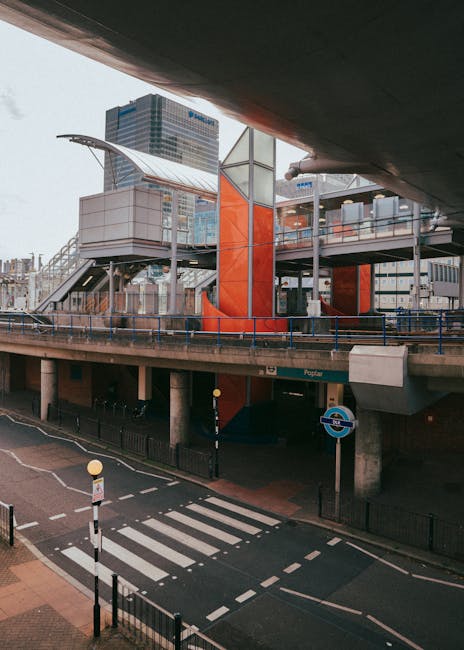
Complete Poplar Moving Guide: Best Routes to Avoid E14 Delays
Posted on 07/05/2026
Moving in Poplar is rarely just about loading boxes and heading off. If your route crosses busy parts of East London, one poor turn, one awkward time slot, or one missed access restriction can slow the whole day down. This guide to the Complete Poplar Moving Guide: Best Routes to Avoid E14 Delays is designed to help you plan smarter, move faster, and reduce avoidable stress.
Whether you are moving from a flat near Poplar High Street, relocating a family home, or arranging a small office move, the route matters almost as much as the packing. E14 traffic can build quickly around junctions, bridge approaches, school-run windows, and riverside access points. The good news? With a little planning, you can usually avoid the worst bottlenecks and keep your removal day moving at a sensible pace.
This article breaks down route planning, timing, local access issues, packing priorities, and practical moving decisions in plain English. It also links to useful support pages and moving resources so you can go deeper where needed.
Why Complete Poplar Moving Guide: Best Routes to Avoid E14 Delays Matters
Poplar sits in a part of London where movement is shaped by more than distance. Traffic patterns, narrow residential roads, loading restrictions, roadworks, bridge crossings, and event-related congestion can all affect how long a move takes. If you are coming in or out of E14, that matters a lot.
The main reason this guide is useful is simple: removal work is time-sensitive. When a van is stuck, the knock-on effect can be immediate. Lifts are missed, parking windows expire, neighbours get annoyed, and tired movers start rushing. A move that looked straightforward on paper can suddenly become a late-afternoon scramble.
People often focus on the destination and forget the route. Yet in areas like Poplar, route planning can reduce both cost and risk. It can also improve safety, especially if you are moving heavy furniture, fragile items, or larger pieces that need careful handling. If you need support with heavy items, the practical advice in this heavy lifting guide is worth reading before moving day.
Route awareness also helps you decide what kind of removal service you need. A larger property move may justify a more structured plan, while a smaller flat move might suit a simple van-based service. For an overview of available support, start with the services overview page.
In short, route planning is not a nice extra. In Poplar, it is part of the job.
How Complete Poplar Moving Guide: Best Routes to Avoid E14 Delays Works
The basic principle is straightforward: reduce uncertainty before the van moves. That means looking at where the vehicle will enter and exit Poplar, how long each section may take, and where the vehicle can legally stop for loading and unloading.
For most moves, the process works best in four stages:
- Map the address and access points. Check the street layout, building entrance, lift access, and where a removal van can realistically park.
- Identify likely congestion windows. Morning school traffic, commuter peaks, and late-afternoon return journeys can all slow progress. On some days, even a short cross-town route can become a long crawl.
- Choose the simplest practical route. The shortest route is not always the fastest. In dense parts of E14, a slightly longer road with better flow can save time overall.
- Build in buffer time. Even the best-planned move benefits from a margin for parking, stair access, or an unexpected delay at a junction.
The best route for one move may be poor for another. For example, a flat move with limited parking may require a route that avoids tight turns and busy loading areas, while an office move may prioritise predictable access and easier vehicle positioning. If you are moving from a smaller property, you may also find the advice on flat removals useful, even if your move is in a different area, because the access logic is very similar.
Route planning should also reflect the kind of items being moved. A piano, bed frame, or wardrobe can change the whole job. For example, piano moving challenges are a reminder that the vehicle route is only part of the puzzle; handling and access matter just as much.
Key Benefits and Practical Advantages
Planning your Poplar move around the right route does more than save time. It changes the experience from reactive to controlled. That is a big difference when you have a van booked, keys to collect, and people waiting at both ends.
- Less waiting time: A better route reduces time stuck in traffic or circling for access.
- Lower moving stress: Fewer unknowns means fewer last-minute decisions.
- Reduced risk of damage: A smoother journey can mean fewer sudden stops and less handling pressure.
- Better use of labour: If movers spend less time waiting, they spend more time doing useful work.
- Stronger punctuality: This is especially important where building access, lifts, or concierge windows are involved.
- Improved cost control: Time lost in traffic can affect labour efficiency, so a well-chosen route can help keep the move economical.
A quieter, simpler move also tends to feel more organised. If you are trying to reduce the amount of stuff going into the van, use decluttering techniques for movers before move day. Less clutter means less loading time, and that alone can make route delays less painful.
Practical takeaway: the best moving route is the one that lets your van arrive on time, stop safely, and leave without awkward reversals or unnecessary delay.
Who This Is For and When It Makes Sense
This guide is useful for almost anyone moving in or around Poplar, but it is especially relevant if you fall into one of these groups:
- Flat movers: Common in E14, where access, lifts, and parking can be limited.
- Families relocating locally: Timing matters when children, school runs, and furniture all need to line up.
- Students: Often moving with tight budgets, limited time, and a lot of boxes. If that sounds familiar, see the local student removals service page for a sense of how smaller moves are usually handled.
- Office teams: Business moves need reliable timing and a route that avoids unnecessary disruption.
- People with bulky or fragile items: Sofas, beds, mirrors, and pianos need more thought than standard boxes.
- Anyone moving at peak times: End of month, school holidays, and Friday afternoons are often busier than people expect.
It also makes sense if you are comparing different service levels. For instance, some people just need a van and driver, while others need full loading support. The right choice depends on your inventory, access conditions, and how much time you can give the move.
If you are weighing up professional help, the local man with a van service can be a practical starting point for smaller or more flexible moves, while larger relocations may suit a fuller removal setup.
Step-by-Step Guidance
If you want to avoid E14 delays, it helps to treat the move like a sequence of small decisions rather than one big event. Here is a practical way to approach it.
1. Confirm the move window
First, check exactly when you can move in or out. This is not just about keys. It is also about building access, lift bookings, parking permissions, and any time restrictions for loading.
2. Audit the property access
Look at both properties. Are there stairs? Is there a lift? Can a van stop close enough to the entrance? Is the road wide enough for safe loading? It is surprising how often people know the flat but not the street.
3. Choose the most practical route, not just the shortest
In Poplar and the wider E14 area, roads that look quick on a map can perform badly at busy times. A route with fewer junction conflicts or less bridge pressure can often be better than a visually shorter route. If your move includes an office or commercial location, checking the office removals page can help you think about timing and access from a business perspective.
4. Prepare your packing by room priority
Pack essentials separately, then group items by room and fragility. Use clear labels. The less time spent searching for items on arrival, the faster unloading becomes.
If you want a more detailed packing system, read how to maximize packing efficiency. It covers practical packing discipline that pairs well with route planning.
5. Protect the items that are most likely to suffer
Mattresses, sofas, and large furniture pieces are where many moves get messy. They are awkward, heavy, and easy to mark if the process becomes rushed. For mattresses specifically, the guidance in safe bed and mattress moving is useful.
6. Load in route order where sensible
If the first drop is a lower-floor flat, make sure the most needed items are accessible. If the van has to make multiple stops, the loading sequence should reflect the route sequence. That sounds obvious, but in the rush of moving day, obvious things get skipped.
7. Leave buffer time
This is the part people most often underdo. A clean route still needs margin for parking, lift delays, and the occasional pedestrian crossing that turns into a four-minute wait.
Expert Tips for Better Results
These are the small things that often make the biggest difference in Poplar moves.
- Move early if possible. Earlier starts often reduce pressure from commuter traffic and daytime congestion.
- Avoid unnecessary backtracking. If you can combine loading and parking into one organised sequence, do it.
- Pre-check van height and turning room. A route may be "allowed" but still awkward for a larger vehicle.
- Keep one person focused on coordination. One voice makes the day calmer. Too many instructions create confusion.
- Use simple, readable labels. "Kitchen - fragile" works better than clever shorthand no one remembers at 3 p.m.
- Prepare a first-night box. Kettle, chargers, medication, basic tools, toiletries, and snacks belong together.
For anyone moving alone or with limited help, the safer approach is to reduce the load rather than try to heroically carry everything yourself. Truth be told, "I can do it in one trip" has caused more moving headaches than most people would admit. If you need a more careful approach to furniture handling, see the furniture removals service page and the practical article on lifting heavy items alone.
If the move feels complicated, the calmest route is usually the most organised one. That sounds simple because it is.
Common Mistakes to Avoid
Most moving delays are not caused by one huge failure. They come from a handful of small planning mistakes stacking up together.
- Choosing a route without checking parking: The shortest route is pointless if the van cannot stop safely.
- Ignoring local time patterns: A road that is fine at 10 a.m. may be painful at 8:30 a.m. or 5 p.m.
- Leaving fragile items until the end: This usually creates rushed packing and poor protection.
- Underestimating loading time: Stairs, lifts, and awkward furniture all take longer than expected.
- Not preparing for wet weather: A little rain can turn a smooth transfer into a slippery, messy process.
- Forgetting destination access: Some people plan the outbound route carefully and then discover the arrival street is the real problem.
One especially common issue is trying to combine decluttering, packing, cleaning, and route planning all in one evening. That is rarely a good idea. If you want a better order, start with pre-move house cleaning tips and then move into packing and transport. Clean, empty rooms tend to reveal access problems earlier, which is exactly what you want.
Another mistake is assuming all removals are the same. A single-bedroom flat move and a three-storey family move may both use a van, but the planning, timings, and risk profile are very different.
Tools, Resources and Recommendations
You do not need a complicated toolkit to move well, but a few basics can save time and stress.
Helpful tools and supplies
- Strong boxes in mixed sizes
- Packing tape and dispensers
- Labels or marker pens
- Furniture blankets
- Ratchet straps or secure tie-downs
- Mattress covers
- Basic hand tools for disassembly
- Floor protection for both properties
Useful planning resources
- Maps and live traffic tools for route checking
- Building management contact details
- Parking or loading information for both addresses
- An inventory list of items that need special handling
- A clear schedule for collection, travel, and unloading
If you are still deciding how much support you need, a sensible next step is to compare service levels and quote options. The local pricing and quotes page is a useful place to start. If you need a broader look at what is available, the removal services page gives a clearer picture of the service range.
For people who may need temporary holding space while timings are sorted, storage can be very practical. You can review the local storage options page and compare whether short-term storage would reduce pressure on the moving day itself.
Law, Compliance, Standards, or Best Practice
While this guide is not a legal document, there are some important best-practice areas to keep in mind during a move in Poplar.
Parking and access: Always follow local parking rules, loading restrictions, and any building management instructions. If a van cannot legally stop where you want it to, that is a planning issue, not a negotiation point.
Health and safety: Heavy lifting, awkward stair access, and repetitive carrying all increase the chance of injury. UK moving practice generally favours sensible manual handling, proper team coordination, and using equipment where it reduces risk. If you want to understand the safety approach in more detail, review the health and safety policy and insurance and safety pages.
Property care: Protect walls, floors, door frames, and lifts. Good movers treat shared spaces carefully because it avoids complaints and damage claims later.
Data, payments, and terms: If you are booking any professional service, read the provider's terms, payment expectations, and complaint route before confirming. The relevant pages include payment and security, terms and conditions, and complaints procedure.
Accessibility: Not every building is equally accessible, and that matters for both safety and efficiency. If you have special access needs, the accessibility statement may be helpful in understanding service expectations.
Best practice is simple: be clear, be honest about access, and do not leave route decisions until the van is already on the road.
Options, Methods, or Comparison Table
There is no single "best" route method for every Poplar move. The right approach depends on your property type, timing, and vehicle size. The table below compares common planning styles.
| Method | Best for | Advantages | Trade-offs |
|---|---|---|---|
| Shortest map route | Very small, simple moves | Easy to understand; fast to plan | May ignore congestion, parking, or tight roads |
| Traffic-aware route | Most local house and flat moves | Often quicker in real time; fewer bottlenecks | Needs a little research before moving day |
| Access-first route | Large furniture, flats, offices | Better for loading and unloading safety | Can take a few extra minutes on the road |
| Buffer-heavy route plan | Time-sensitive or complex moves | Most reliable for uncertain conditions | May feel overly cautious for very small jobs |
For most readers, a traffic-aware route with a sensible buffer is the strongest option. It balances speed, realism, and safety without overcomplicating the day.
Case Study or Real-World Example
Consider a typical Poplar flat move. The pickup is in a building with limited roadside space, and the destination is another E14 property with a narrow approach road. On paper, the distance is short. In practice, the risk comes from access, not mileage.
The moving team checks loading conditions early, avoids peak traffic where possible, and plans the van arrival for a quieter window. Boxes are packed by room, the sofa is protected in advance, and the bed is disassembled before the van arrives. The route itself is chosen for steady flow rather than absolute shortest distance.
The result is not dramatic. That is the point. There is no heroic last-minute rescue, no frantic double-parking, and no panicked calls about a missing key handover. The move feels controlled because the route, packing, and timing all support each other.
That same logic applies to trickier items. If a piano, wardrobe, or bulky sofa is involved, route choice becomes part of the care plan. For especially awkward pieces, it may also make sense to look at a more specialised service such as piano removals or same-day removals depending on urgency and item type.
Practical Checklist
Use this checklist before move day to reduce the chance of E14 delays.
- Confirm both addresses, access codes, and contact names
- Check loading restrictions and parking at both ends
- Choose a route that avoids the busiest likely traffic windows
- Allow extra time for stairs, lifts, and hand carrying
- Label boxes clearly by room and priority
- Protect furniture, mattresses, and fragile items properly
- Prepare tools for disassembly and reassembly
- Keep essentials in a separate first-night bag or box
- Share the plan with everyone helping on the day
- Have a backup plan if parking or access changes unexpectedly
If you want to reduce the volume of items before the move, pair this checklist with strategic decluttering techniques and the local packing and boxes page for practical supply planning.
Conclusion
A smooth Poplar move is rarely about luck. It is usually the result of simple, disciplined choices: the right route, the right timing, sensible packing, and enough margin for real-life delays. If you are moving in or around E14, the route should be treated as part of the moving strategy, not an afterthought.
Plan the access. Check the timing. Choose the route that works in the real world, not just on a map. That approach will save you stress, protect your belongings, and make the day feel far more manageable.
If you want support with planning, packing, or vehicle-based removals, the next step is to review the local service options and choose the level of help that fits your move. A little preparation goes a long way, and in Poplar, it can be the difference between a calm transfer and a long afternoon in traffic.
Get a free quote today and see how much you can save.