East India Dock Road Loading Rules: Removals in Poplar
Posted on 06/07/2026
![An indoor industrial space used for furniture transport and home relocation preparations, featuring an expansive concrete floor partially marked with white dotted lines indicating loading zones. Two small forklifts are positioned towards the center, one black and one red, amidst stacks of wooden pallets and metal containers. Several wooden pallets and planks are scattered across the area, with some leaning against the walls and others lying flat on the ground. The space is enclosed by high, weathered concrete walls, with yellow, blue, and pink vertical measuring markers attached to the back wall. Bright, natural light illuminates the environment, possibly from openings outside the frame. The arrangement appears to be set up for loading or unloading furniture or large household items, with a focus on efficient move logistics supported by [COMPANY_NAME]’s professional removal services, demonstrating the logistical aspects of furniture transport and packing during home removals.](/pub/blogphoto/east-india-dock-road-loading-rules-removals-in-poplar1.jpg)
If you are moving in Poplar, East India Dock Road can make or break the day. One missed loading bay, one badly timed arrival, and suddenly a simple removals job turns into a slow shuffle of boxes, awkward parking, and a lot of waiting. The good news? Once you understand East India Dock Road Loading Rules: Removals in Poplar, the whole move becomes far more manageable.
This guide explains how loading usually works, why the road matters so much for local moves, and what to do before the van arrives. We will keep it practical, local, and very human. Because let's face it, the theory is one thing; the reality is trying to move a sofa while a bus is coming and everyone is checking the clock.
- Why the loading rules matter
- How loading on East India Dock Road works
- Key benefits and practical advantages
- Who this is for and when it makes sense
- Step-by-step guidance
- Expert tips for better results
- Common mistakes to avoid
- Tools, resources and recommendations
- Law, compliance and best practice
- Options and comparison
- Real-world example
- Practical checklist
- Frequently asked questions
Why East India Dock Road Loading Rules: Removals in Poplar Matters
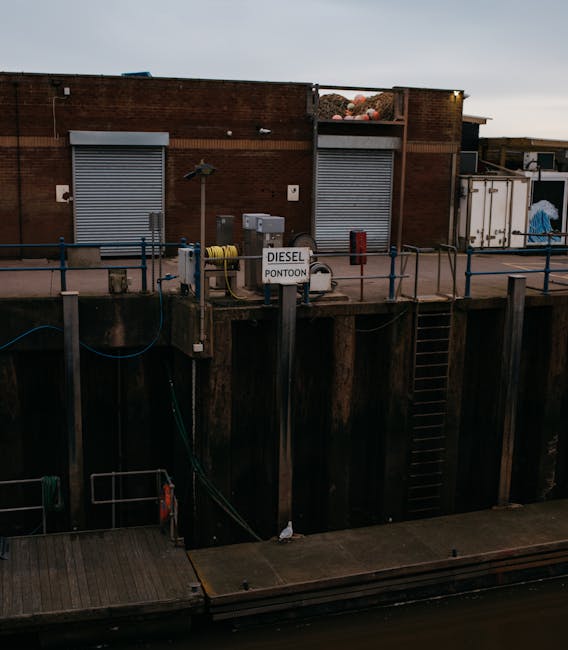
East India Dock Road is not the sort of place where you can casually pull up, unload, and hope for the best. It is a busy route, shaped by local traffic patterns, nearby residential blocks, commercial activity, and the general pressure that comes with moving goods in inner east London. If you are planning removals in Poplar, loading arrangements on this road can determine whether your move feels smooth or stressful.
The issue is not just parking. It is access, timing, vehicle size, visibility, pedestrian safety, and how long a removal van can stay in position without causing problems. In practice, these things matter because moving day is usually tight already. Boxes are packed, furniture is wrapped, and everyone wants a clean handover. A loading mistake adds friction you really do not need.
For local residents, students, landlords, office managers, and anyone using a man and van service, the road's loading constraints can affect:
- how close the van can get to the property
- how many trips are needed
- whether larger furniture needs extra carrying time
- how early the crew should arrive
- whether a permit, bay suspension, or alternative arrangement is needed
A lot of people only realise this on moving day. That is usually the expensive moment to learn it. Better to think it through beforehand, even if it feels a bit overcautious at first.
How East India Dock Road Loading Rules: Removals in Poplar Works
In simple terms, loading rules on East India Dock Road are about where a vehicle can stop, how long it can stay, and under what conditions unloading or loading is acceptable. The exact situation can vary depending on the part of the road, the time of day, the type of vehicle, and local restrictions in force nearby. That is why removals teams tend to assess the route rather than guess.
There are a few moving parts here.
1. Kerbside access
The closer the van can get to the property, the faster loading usually goes. Short carrying distances reduce fatigue, lower the chance of damage, and help the crew stay efficient. On a road like East India Dock Road, though, kerbside space can be limited or already occupied.
2. Waiting and loading times
Some loading situations are tolerated briefly, but that does not mean a van can simply park indefinitely. If the vehicle is in a restricted bay, near a busy junction, or in a place where stopping causes obstruction, the crew may need to keep the process tight. This is especially true if the move involves large items like wardrobes, beds, or office desks.
3. Traffic and pedestrian flow
East India Dock Road carries regular traffic and a fair amount of foot movement. That means movers need to avoid blocking footways and keep the pathway safe for others. No one likes carrying a mattress while having to dodge cyclists, pedestrians, and impatient motorists at the same time. It is just messy.
4. Building and property access
Even if the road itself is manageable, the building may be the real challenge. Flats, basement levels, shared entrances, or tight stairwells can force the team to plan loading differently. If you are dealing with a flat move, you may also want to look at flat removals in Poplar for a more suitable approach.
5. Local timing constraints
Morning congestion, school-run traffic, evening pressure, and weekend demand all affect the best time to load. For some moves, choosing the right hour matters as much as choosing the right van. If your move is urgent, same-day removals in Poplar can be useful, but only if the loading plan is realistic.
Key Benefits and Practical Advantages
Following loading rules properly is not just about avoiding trouble. It genuinely improves the quality of the move. Small detail, big payoff.
- Faster turnaround: the closer and safer the loading position, the less time is wasted carrying items.
- Lower damage risk: fewer awkward lifts and less time spent balancing items near traffic reduces the chance of knocks and scrapes.
- Better crew efficiency: movers can keep momentum instead of stopping to reshuffle vehicles.
- Less stress for you: a calmer loading process usually means a calmer move overall.
- Cleaner compliance: sensible loading habits help you avoid conflicts with neighbours, landlords, or enforcement issues.
There is also a quieter benefit that people often miss: good loading discipline makes the rest of the day feel organised. When the first 20 minutes go well, the move tends to feel under control. That sounds simple, but it matters more than people think.
If you are planning a bigger household move, the value is even clearer. A well-managed load on East India Dock Road can complement house removals in Poplar, especially where access is tight or the property is on a busy stretch.
Who This Is For and When It Makes Sense
This topic matters to more people than you might expect. It is not just for removal companies or people moving a sofa from A to B.
- Home movers: especially if you are moving from a flat, terrace, or estate close to East India Dock Road.
- Students: smaller moves can still be affected by loading restrictions and short-stay windows. For compact moves, student removals in Poplar are often easier when planned around access.
- Office teams: office removals often involve crate handling, IT kit, and time pressure. Loading mistakes quickly snowball.
- Landlords and letting agents: useful when coordinating end-of-tenancy clearances or furniture swaps.
- Anyone moving bulky items: wardrobes, beds, appliances, pianos, or awkward one-off items.
It makes sense whenever timing is tight, access is limited, or the item being moved is too big to casually carry from a distant parking spot. Truth be told, even a short street can become a headache if the van cannot stop where you hoped.
For especially heavy or delicate items, specialist support may be the sensible route. A piano, for instance, is a different game altogether. If that sounds familiar, see piano removals in Poplar and our guide on the risks of DIY piano moving.
Step-by-Step Guidance
Here is a practical way to handle East India Dock Road loading for a move in Poplar without turning it into a last-minute scramble.
- Survey the property access first. Check whether the front entrance, lift, stairwell, or courtyard is easy to reach from the road. If it is awkward, note it early.
- Identify the closest safe loading point. Do not assume the nearest space is usable. Look for obstructions, restrictions, and how vehicles actually fit into the street.
- Estimate the item flow. How many large pieces? Any appliances? Any fragile items? A few boxes are one thing; a fridge and a bed base are another. If you are moving a bed, these bed and mattress moving techniques can help you prepare properly.
- Declutter before move day. The less you transport, the less time you spend loading. That is not a moral lecture; it is pure logistics. If needed, the article on decluttering for a stress-free move is worth a look.
- Pack in loading order. Put the most essential or heaviest items where they can be lifted out first, depending on how the van is being loaded. If you are still sorting boxes, packing and boxes in Poplar can support a more organised approach.
- Confirm timing with the crew. Build in a realistic arrival window. In busy parts of Poplar, a five-minute delay can become twenty.
- Keep walkways clear. This sounds obvious, but people still leave bags, bins, and loose bits in the path. Clear paths save time and prevent trips.
- Monitor the handover. The more you stay available for quick decisions, the less the team has to pause. A small point, but it helps.
If you are planning to move in a way that needs a more flexible vehicle setup, a man with a van in Poplar can suit smaller or faster moves, while a larger vehicle may be more efficient for bulkier jobs.
Expert Tips for Better Results
Over time, certain habits consistently make loading easier on roads like East India Dock Road. None of them are flashy, but they save real time.
- Use a spotter when reversing or manoeuvring. One person watching traffic and pedestrians is better than guessing from a mirror.
- Protect the first items in and out. Blankets, corner protectors, and straps matter more than people realise.
- Move the biggest items first if access is tight. That gives the team room to work before the van fills up.
- Think in layers. Heavy items low, lighter boxes higher, fragile goods secured between soft items where appropriate.
- Keep the route from door to van dry and clear. A damp doorstep or a stray cable is a tiny hazard with outsized consequences.
One practical observation from busy London moves: the best teams do not just lift well, they communicate well. Short calls like "door clear," "coming through," and "hold for a second" sound mundane, but they prevent little accidents. That's the whole game sometimes.
If the move includes bulky furniture, it can be smart to review furniture removals in Poplar and the advice in narrow terrace strategies for large item moves. Those scenarios often overlap with East India Dock Road access challenges.
Common Mistakes to Avoid
Most loading problems are not dramatic. They are small oversights that stack up. Here are the ones that cause the most friction.
- Assuming there will always be space: there often is not, especially at peak times.
- Leaving access planning until the day of the move: by then, you are working around problems instead of solving them.
- Overloading one van run: this can slow loading, make lifting unsafe, and increase the chance of damage.
- Ignoring narrow pavements or entry points: that is how you end up rotating a sofa for far too long while everyone gets quietly annoyed.
- Not checking noise or timing sensitivities: early or late loading can affect neighbours and building management.
- Failing to separate fragile goods: a box marked "fragile" means nothing if it ends up under a kettle, honestly.
Another common one is underestimating how long dismantling takes. Beds, tables, and some wardrobes need tools and patience. If you need support with furniture that has to come apart first, it may help to compare options with removal services in Poplar rather than trying to improvise on the pavement.
Tools, Resources and Recommendations
You do not need a van full of specialist kit for every move, but a few basics make loading much easier.
- Furniture blankets: good for protecting polished or awkward items.
- Ratchet straps or tie-downs: useful for keeping items stable in transit.
- Dolly or sack trolley: ideal for appliances, heavy boxes, and repetitive carrying.
- Gloves with grip: simple, inexpensive, and surprisingly useful.
- Labels and colour coding: helpful when you need a quick unload at the destination.
- Protective wrap or covers: especially for sofas, mattresses, and mattress bases.
For practical prep, these related articles can help shape the rest of the move:
- packing effectively when moving
- storing a sofa long term
- efficient home cleaning strategies
- solo heavy lifting skills
If you are still weighing up whether to use a man and van in Poplar or a larger removal van, the right answer usually depends on volume, distance from the van to the door, and the amount of dismantling involved.
Law, Compliance, Standards, or Best Practice
For removals on East India Dock Road, the practical focus is usually on local road use, safe loading, and avoiding obstruction. You do not need to become a legal expert, but you do need to understand the standard expectations around moving vehicles in London.
Best practice generally includes:
- not blocking traffic lanes or pedestrian access
- keeping loading periods as short as reasonably possible
- respecting any parking, waiting, or time-based restrictions in place
- planning for the safety of movers, residents, and passers-by
- using suitable equipment and enough people for heavy items
Where a move needs permits or specific parking arrangements, the safest assumption is to check the local requirements in advance rather than improvise. For readers who want a broader overview, the article on Tower Hamlets permits for removals is the most relevant companion piece here.
There are also safety and insurance considerations. If you are comparing providers, it is wise to look at insurance and safety and health and safety policy information so you understand how the work is handled. You want confidence, not guesswork.
Options, Methods, or Comparison Table
There is more than one way to handle loading on East India Dock Road. The best option depends on access, volume, and timing. Here is a simple comparison.
| Method | Best for | Pros | Trade-offs |
|---|---|---|---|
| Kerbside loading close to the property | Most household moves | Fastest carrying distance, less fatigue | Often depends on space and timing |
| Short-stay loading with multiple trips | Small flats, student moves, partial loads | Flexible and simple to organise | Can take longer overall |
| Pre-arranged access plan | Busy roads, bigger removals, tight entrances | Reduces confusion and waiting | Needs more planning upfront |
| Specialist moving setup | Pianos, bulky furniture, complex access | Better safety and handling | Usually more involved and may take longer to organise |
In many cases, the "best" method is not the cheapest-looking one at first glance. It is the one that avoids wasted time, strain, and repeat lifting. The difference is rarely glamorous, but you feel it by lunchtime.
Case Study or Real-World Example
Picture a typical Poplar move from a second-floor flat near East India Dock Road. The household has a bed frame, mattress, sofa, small dining table, six boxes of books, and a couple of white goods. Nothing outrageous, but enough to make access matter.
At first, the plan is to park as close as possible and do the whole job in one sweep. But the closest space is already occupied, and the road is busier than expected at that time of day. Instead of forcing it, the team adjusts. They choose a safer stop point, split the load sensibly, and keep the heaviest items for when the path is clear. The sofa is wrapped before it leaves the building. The mattress is moved using the method described in our bed and mattress moving guide.
Did it take a little longer than the original optimistic plan? Yes. But it stayed controlled. No awkward blocking, no panic, no scuffed wall in the stairwell. And that is the point. A move that looks slower on paper can still be the better move in reality.
If storage is needed between addresses, a flexible pause can help too. Storage in Poplar is often the practical bridge when keys, access, or handover timings do not line up neatly.
![An indoor industrial space used for furniture transport and home relocation preparations, featuring an expansive concrete floor partially marked with white dotted lines indicating loading zones. Two small forklifts are positioned towards the center, one black and one red, amidst stacks of wooden pallets and metal containers. Several wooden pallets and planks are scattered across the area, with some leaning against the walls and others lying flat on the ground. The space is enclosed by high, weathered concrete walls, with yellow, blue, and pink vertical measuring markers attached to the back wall. Bright, natural light illuminates the environment, possibly from openings outside the frame. The arrangement appears to be set up for loading or unloading furniture or large household items, with a focus on efficient move logistics supported by [COMPANY_NAME]’s professional removal services, demonstrating the logistical aspects of furniture transport and packing during home removals.](/pub/blogphoto/east-india-dock-road-loading-rules-removals-in-poplar3.jpg)
Practical Checklist
Use this checklist before move day. It is simple, but it catches a lot of the usual slip-ups.
- Confirm the moving date and arrival window
- Check the access route from property to vehicle
- Identify whether East India Dock Road loading is realistic at the chosen time
- Measure large items and note any dismantling needed
- Pack and label boxes clearly
- Separate fragile items and valuables
- Clear hallways, entrances, and door thresholds
- Protect floors, corners, and polished surfaces where needed
- Decide whether you need extra help for heavy lifting
- Keep key documents, keys, and phone numbers close by
Expert summary: if East India Dock Road is part of your move, think about access before you think about speed. Speed comes from good planning, not from rushing the van in and hoping the rest works itself out. That bit alone saves a lot of grief.
Get a free quote today and see how much you can save.
Conclusion
East India Dock Road loading rules for removals in Poplar are really about one thing: making the move work in a real-world London environment. Not an ideal one, not a fantasy one. The real one, with traffic, tight kerbs, busy pavements, and buildings that do not always make life easy.
When you plan access properly, loading becomes quicker, safer, and far less stressful. You reduce damage risks, save time, and give yourself a much better chance of finishing the day with your energy intact. And honestly, that is what most people want from a move. A clean start, not a battle story.
So take the time to plan the stop point, think through the route, and choose the right support for the size of the job. Small decisions, big difference. That is usually how good moves happen.