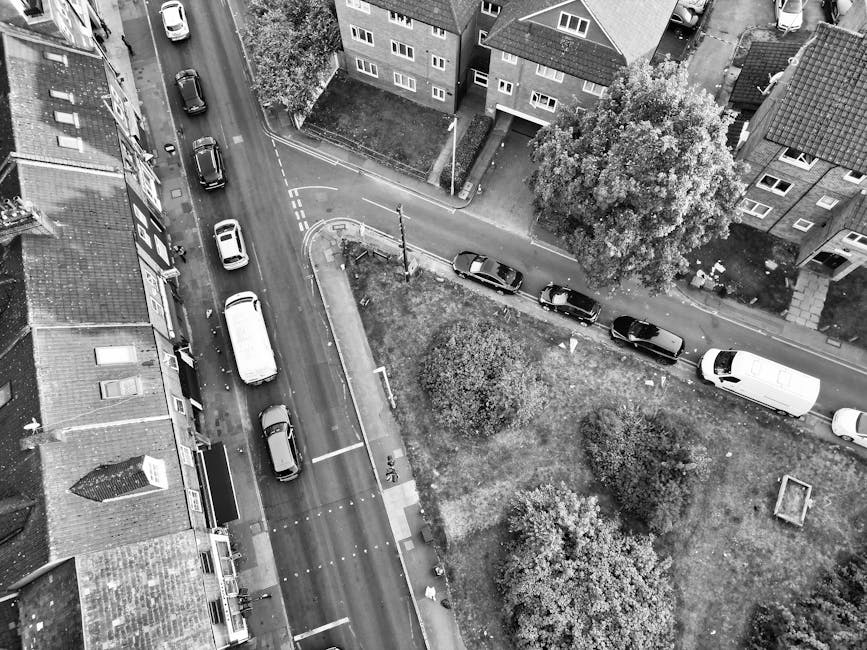
Leamouth & Cubitt Town Removals: Vehicle Access in Poplar
Posted on 22/05/2026
Leamouth & Cubitt Town Removals: Vehicle Access in Poplar
Moving in and around Leamouth and Cubitt Town can look straightforward on a map, and then reality kicks in. Narrow streets, waterside developments, controlled parking, awkward turning space, lift access, and the simple question of where a removal van can actually stop - those are the things that decide whether a move feels calm or chaotic. If you are planning Leamouth & Cubitt Town removals and vehicle access in Poplar is part of the puzzle, you already know the biggest challenge is rarely the boxes. It is the approach.
This guide breaks down how vehicle access affects house moves, flat moves, student moves, and office relocations in the area. You will find practical route-planning advice, a step-by-step process for getting the van in the right place, and a few real-world tips that save time, stress, and those annoying last-minute scrambles. Truth be told, a smooth move in this part of east London is usually won before the first box is lifted.
Why Leamouth & Cubitt Town Removals: Vehicle Access in Poplar Matters
Vehicle access is not just a logistics detail; it shapes the whole move. In Leamouth and Cubitt Town, many homes sit in modern apartment blocks, mixed-use estates, or tightly arranged residential streets where parking is limited and access rules can be more complicated than they first appear. A removal van that cannot stop close enough to the entrance can add carrying time, labour, and risk. That extra distance sounds small until you are moving a fridge, a sofa, or a stack of awkward boxes down a shared corridor on a wet London morning.
For anyone booking flat removals in Poplar or arranging a larger domestic move, the access question is often the difference between a tidy handover and a long, tiring day. Builders' skips, resident permit bays, loading restrictions, courtyard gates, underground car parks, and timed entry systems all need to be factored in early. If not, the move may still happen, but it can become slower and more expensive than it should be.
There is also a safety angle. When a van parks too far away, movers may have to carry heavy items across longer distances, around blind corners, or through shared spaces where people are walking in and out. That increases the chance of bumps, dropped items, strained backs, and irritated neighbours. Not ideal, to be fair.
Local knowledge matters here. A team used to removals in Poplar will usually think ahead about access, timing, and vehicle size before the moving date even arrives. That kind of preparation often saves more time than any amount of last-minute rushing.
How Leamouth & Cubitt Town Removals: Vehicle Access in Poplar Works
The process begins with understanding the property and the route to it. Is the van stopping on the street, in a loading bay, inside a private development, or at a main entrance with a concierge desk? Can the vehicle fit safely without blocking traffic or pedestrian access? Is there a lift, and if so, can it be used for bulky items? These are the kinds of practical questions that need answers before move day.
In most cases, access planning follows a simple sequence:
- Assess the property type and exact entrance.
- Check parking, waiting, or loading restrictions nearby.
- Measure larger items against doorways, stairwells, and lift dimensions.
- Choose the right vehicle size and unloading plan.
- Build in extra time if the van cannot park directly outside.
This is especially useful for man and van services in Poplar, where flexibility is a major advantage. A smaller vehicle may be easier to position near tight roads or managed estates, while a larger removal van may reduce trips if access allows it. There is no single perfect answer. It depends on the building, the street, the amount of furniture, and how much time the moving team has to work with.
In Leamouth and Cubitt Town, access can change block by block. One property may have generous loading space and lift access. The next may require a permit, a timed booking, and a careful carry from the nearest legal stop point. You can see why a short site check, or even a detailed phone discussion with photos, makes such a difference.
For some moves, the process also involves split loads. That means the main van parks where it can, and smaller trolley runs or multiple carrying passes are used to bridge the final stretch. It is not glamorous, but it works. And sometimes that is the whole game.
Key Benefits and Practical Advantages
When access is planned properly, the benefits show up everywhere. The move feels smoother, the team works more efficiently, and fragile items spend less time in transit between the property and the vehicle. In a busy part of east London, those minutes matter more than people expect.
- Less lifting distance: Shorter carries reduce fatigue and lower the chance of damage.
- Faster loading and unloading: A van parked well can shave a surprising amount of time off the day.
- Better protection for belongings: Items are handled fewer times and are exposed to weather for less time.
- Fewer access surprises: Planning ahead avoids awkward conversations with building management or parking wardens.
- Improved safety: Clear access means fewer narrow-shift manoeuvres, fewer trips through crowded communal areas, and less strain on movers.
There is a practical financial benefit too. Efficient access often means fewer labour hours, less delay, and less risk of needing a second visit because the van could not get close enough. If you are comparing service options, this is worth asking about directly. A team that understands local access issues can usually give a more accurate quote and a more honest estimate of the time involved. If you are still planning the broader move, the services overview is a useful place to see how different removal options fit together.
One often overlooked benefit is neighbour relations. Nobody wants a removal van blocking the only entrance, or half the street listening to a drawn-out furniture shuffle at 7 a.m. Good access planning helps the move stay considerate. In a dense neighbourhood, that counts for a lot.
Who This Is For and When It Makes Sense
This topic matters to more people than you might think. Vehicle access is not just for large house moves. It matters whenever items need to be loaded in a controlled, limited, or awkward setting.
You are likely to need this kind of planning if you are:
- moving from a flat or apartment in a managed development;
- relocating from a riverside property with restricted driveway space;
- handling a student move with limited items but very little parking;
- moving office equipment where timing and access windows matter;
- transporting oversized furniture, a piano, or delicate household pieces;
- booking a same-day move where speed and access clarity are especially important.
If you are moving out of a modern apartment block, access is often about more than vehicle size. Lifts may need booking, loading bays may be shared, and some buildings require the removal team to register in advance. That is normal. The issue is not that these rules exist. It is when they are discovered too late.
For lighter moves, a smaller vehicle may be the smartest choice. For larger homes, the focus may shift to loading efficiency and how close the van can get to the door. Choosing the right removal van matters more than people realise, especially in streets where manoeuvring room is tight and parking is limited.
And yes, this can also matter for people moving on a budget. Better access planning can reduce wasted time, and that often helps keep the overall job more manageable. Nobody wants to pay for avoidable faffing about.
Step-by-Step Guidance
If you want a move to go smoothly in Leamouth or Cubitt Town, start early and work methodically. The best results usually come from boring, sensible preparation. Not exciting, maybe, but very effective.
1. Identify the exact access point
Do not assume the main entrance will be the easiest route. Check whether the van can stop near the front door, a side entrance, a service road, or a loading area. Photograph the approach if needed. A few phone pictures can be more useful than a long explanation.
2. Check parking and restrictions
Look at local parking rules, signs, and any building instructions. If there is a loading bay, confirm whether it is time-limited or permit-based. If the property is on a busy road, think about the time of day. Morning school runs and evening traffic can turn a simple stop into a headache.
3. Measure the awkward items
Large furniture should be checked against door widths, corridor bends, stairwell corners, and lift dimensions. Sofas, wardrobes, beds, mattresses, and especially pianos can turn into bottlenecks. If an item is borderline, plan for it rather than hoping for the best. That hope has a habit of being expensive.
4. Decide on van size and crew support
Smaller vans are easier to place in tight urban spaces. Larger vehicles can carry more in one trip, but they need more room to manoeuvre. If you are unsure, ask about a flexible vehicle choice or a man with a van option in Poplar for lighter loads. For bulky furniture, you may want to explore furniture removals support instead.
5. Plan loading order
Items needed first at the destination should be loaded last if possible, so they come off quickly. Essentials should be kept separate. A kettle, basic tools, chargers, important documents, and a small box of cleaning supplies can save the day when everyone is tired and the new place still feels half-boxed.
6. Confirm building access details
If a concierge needs notice, give it. If the lift is booked, double-check the slot. If there are fobs, codes, or entry procedures, share them in advance. This is where a tiny bit of admin saves a giant mess later.
7. Leave time for the unexpected
A delivery truck might block the bay. A lift could be in use. A road might be busier than expected. Build in a margin. A realistic move is almost always better than an over-optimistic one.
Expert Tips for Better Results
There are a few habits that consistently make access-led moves easier. They are simple, but simple is not the same as obvious.
- Walk the route before move day: If you can, check the path from van stop to front door. Look for kerbs, steps, uneven paving, and tight corners.
- Use photos rather than guesswork: A picture of the entrance, parking space, and staircase tells a professional more than a rushed description ever will.
- Declutter before you pack: Fewer items mean fewer trips, and fewer trips mean less exposure to access problems. A good place to start is this guide on stress-free moving through decluttering.
- Protect fragile and bulky items properly: If the route is tight, good packing matters even more. You may also find these packing tips useful.
- Book the move at a sensible hour: Mid-morning can be calmer than the school-run rush or the first wave of commuter traffic. Sometimes timing does half the work for you.
It also helps to think about specialist items separately. A piano, for instance, is not just heavy. It is awkward, sensitive, and unforgiving if rushed. If you have one in the property, read the piano removals service page and, if you are weighing up self-move versus professional help, the article on the risks of DIY piano moving is worth your time.
For larger household pieces, good preparation can be the difference between a smooth carry and a scratched wall. That applies to sofas, beds, mattresses, and storage items too. A practical read on storing a sofa properly and moving a bed and mattress can help reduce the usual moving-day panic. Yes, the panic is normal. But it is not compulsory.

Common Mistakes to Avoid
Most access problems are predictable. That is the frustrating part. The good news is that predictable problems can usually be avoided with a bit of planning.
- Assuming the van can park directly outside: This is the classic mistake. Never assume street access will work out on the day.
- Forgetting about building rules: Some developments have concierge procedures, lift booking rules, or delivery restrictions that affect timing.
- Choosing the wrong vehicle size: Too large, and the van may struggle to manoeuvre. Too small, and you create extra trips.
- Not measuring furniture: It sounds basic, but a sofa that does not fit through the hallway is a moving-day drama nobody wants.
- Leaving all packing to the final night: Half-packed boxes and rushed labelling make access delays feel much worse.
- Ignoring weather and surface conditions: A damp entrance, a slick pavement, or a windy riverside route can slow things down more than expected.
Another mistake is treating access as the mover's problem only. In practice, it works best when the customer and the moving team share clear information. If the access route changes, say so. If a fob is needed, mention it. If a lift is temperamental, that is not the time to be polite and vague. Be clear. It helps everyone.
Sometimes people also overpack boxes because they want to make fewer trips. That seems efficient until one box becomes too heavy to carry safely down a stairwell. If you want to keep things manageable, split weight sensibly and use sturdy materials from a trusted source such as packing and boxes in Poplar.
Tools, Resources and Recommendations
You do not need fancy kit for a good move, but a few practical tools make a big difference when vehicle access is limited or the walk from van to door is longer than expected.
| Tool or Resource | Why It Helps | Best Use Case |
|---|---|---|
| Furniture blankets | Protects items during longer carries and tighter turns | Sofas, tables, wardrobes |
| Two-wheel trolley or sack barrow | Reduces manual lifting for heavier boxes | Short but awkward distances |
| Ratchet straps | Helps secure loads in transit | Mixed household or office loads |
| Labels and room stickers | Makes unloading faster and more orderly | Any move with multiple rooms |
| Phone photos of access points | Helps the mover understand obstacles in advance | Apartment blocks and gated entries |
For people trying to reduce the amount they actually move, local storage can be a smart bridge between properties. If you are not ready to take everything at once, storage in Poplar can take pressure off the main moving day. This is especially handy if your new place has not quite been cleared or if there is a timing gap between handover and completion.
If you are looking for broader guidance on service selection, a useful next step is to review removal services in Poplar alongside local removal companies. Not every provider handles access-sensitive jobs in the same way, and the right one will ask the right questions before quoting. That is usually a good sign.
For bigger life admin, some people like to pair the move with a proper clear-out and a house reset. A practical, tidy approach to moving-day cleaning and even a read on stress-free house mobility can help shape the whole process. Small things, but they stack up.
Law, Compliance, Standards, or Best Practice
When vehicle access is involved, it is sensible to keep within local parking and loading rules, building policies, and normal road safety expectations. The exact arrangements vary by street and property, so it is best to check rather than assume. If a loading bay, estate road, or permit zone is involved, the move should be planned around the rules in place for that location.
Good practice usually includes:
- parking only where it is allowed or agreed;
- avoiding obstruction of pedestrian routes, emergency access, or neighbouring properties;
- using suitable lifting methods and enough help for heavy items;
- keeping entry areas clear and safe during loading;
- following any building management instructions or timing windows.
From a safety point of view, it is always wise to use proper lifting technique and avoid overreaching or twisting while carrying awkward items. If you are moving heavy pieces without a full team, read up on solo heavy lifting techniques before you start. And if you want to understand the approach behind safer movement more generally, the health and safety policy and insurance and safety information are useful references.
There is also a customer-facing side to this. Clear communication, transparent terms, and secure payment processes build trust before the move even begins. If you are comparing providers, it helps to understand terms and conditions, payment and security, and the company's approach to service issues through the complaints procedure. None of that is glamorous. It is just sensible due diligence.
Options, Methods, or Comparison Table
The right moving method depends on access, volume, and how tight the schedule is. Here is a simple comparison to help you think it through.
| Method | Best For | Access Advantages | Limitations |
|---|---|---|---|
| Man and van | Small to medium loads, flexible moves | Easier to fit into tight streets and tricky loading spots | May need multiple trips for bigger jobs |
| Full removal van with crew | Larger home moves and bulky furniture | Efficient loading if access is suitable | Needs more space and a clearer stopping point |
| Same-day service | Urgent or compressed timelines | Fast response when plans change suddenly | Less margin for access surprises |
| Hybrid approach with storage | Moves with timing gaps or staged handovers | Reduces pressure on the main move day | Requires extra coordination |
For students or people moving lighter loads, a streamlined service can be the best fit. If that sounds like you, student removals in Poplar may be worth a look. For urgent situations, same-day removals can be a practical back-up when access and timing need to be handled quickly.
The basic rule is simple: the tighter the access, the more valuable flexibility becomes. Sometimes a smaller, nimbler vehicle beats a larger one. Sometimes crew strength matters more than vehicle size. Often it is a bit of both.
Case Study or Real-World Example
Here is a realistic example. A couple moves out of a two-bedroom flat in Cubitt Town into a house nearby. The flat is in a managed block with lift access, but the street outside has limited stopping space and a busy weekday traffic pattern. At first, they assume the van can park directly outside. Then they check the entrance more carefully and realise that would be unlikely.
Instead of leaving it to chance, they send photos of the building entrance, the parking signs, and the route from the nearest legal stopping point. The moving team suggests a smaller vehicle for the first run, with a planned loading window mid-morning. Boxes are labelled by room, the sofa is wrapped properly, and the bed is dismantled the evening before. They also arrange a short slot in storage for a few items they do not need immediately.
The result? Less waiting, fewer carrying issues, and no rushed lift argument at the end of the day. There is still a bit of chaos, because let's face it, there always is. But the move stays controlled, and nobody spends the afternoon standing in the street wondering why they didn't think of parking first.
This kind of planning also works well for office moves and small business relocations. If you are handling desks, filing, IT equipment, or specialist items, access planning can be the thing that keeps work disruption to a minimum. For those projects, office removals in Poplar is the natural next place to look.
Practical Checklist
Use this before moving day. It is simple, but it catches a lot of the avoidable problems.
- Confirm the full address and exact entrance.
- Check parking restrictions, loading rules, and permit needs.
- Ask building management about lift bookings or access codes.
- Take photos of the route from van stop to front door.
- Measure large furniture, doorways, and stair turns.
- Choose the right van size for the access available.
- Label boxes clearly by room and priority.
- Pack essentials separately for quick access after arrival.
- Protect delicate and bulky items with proper wrapping.
- Allow extra time for traffic, lifts, or shared entrances.
- Keep contact details handy for the moving team and building management.
- Have a backup plan if the closest stop point is unavailable.
Expert summary: In Leamouth and Cubitt Town, the best removals are rarely the fastest on paper; they are the ones that plan access carefully, match the vehicle to the property, and leave enough breathing room for the unexpected.
Conclusion
Leamouth & Cubitt Town removals are much easier when vehicle access is treated as a core part of the job, not a side issue. The right van, the right timing, and the right route can save time, reduce physical strain, and make the whole day feel far more manageable. That is especially true in Poplar, where building layouts and street access can change quickly from one address to the next.
If you remember only one thing, make it this: check the access before the move, not during it. That single habit prevents more stress than most people expect. A few photos, a short conversation, and a realistic plan can turn a tricky move into a straightforward one.
Get a free quote today and see how much you can save.
And if you are still in the planning stage, take it one sensible step at a time. Good moves do not need to feel dramatic. They just need to feel organised, calm, and properly thought through. That is usually enough.