Bulky Waste in Poplar: Council Collections vs Private Removal
Posted on 02/06/2026
Getting rid of bulky waste in Poplar sounds simple until you are standing in a hallway with a broken wardrobe, a sagging sofa, and a fridge that no one wants to help carry down two flights of stairs. Then the real question hits: should you book a council collection, or is private removal the smarter route? This guide on Bulky Waste in Poplar: Council Collections vs Private Removal breaks it all down in plain English, so you can choose the option that fits your budget, your timeline, and your level of patience. Truth be told, the "best" choice often depends on access, item type, and how quickly you need the space back.
Below, you will find a practical comparison, step-by-step guidance, common mistakes, and a realistic view of what each option means in day-to-day life in Poplar. If you are decluttering before a move, clearing a flat, or just trying to reclaim a room, this should help you make a calm decision rather than a rushed one.

Why Bulky Waste in Poplar: Council Collections vs Private Removal Matters
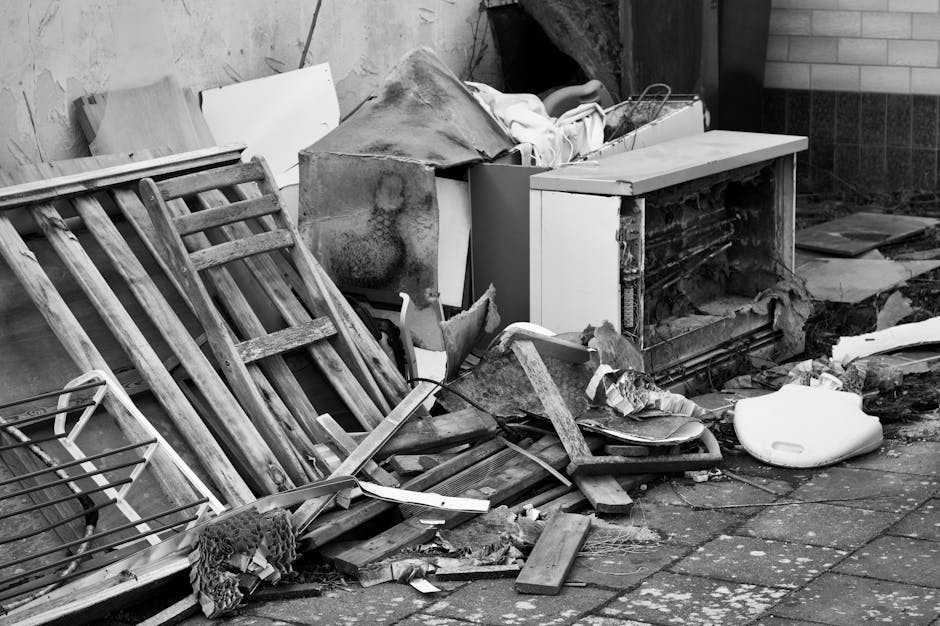
Bulky waste is usually anything too large, awkward, or heavy for standard household bin collections. In Poplar, that often means old sofas, mattresses, wardrobes, tables, white goods, broken exercise equipment, and the kind of random "I'll deal with it later" items that somehow gather in sheds and spare rooms. A single item can be straightforward. A full flat clear-out, less so.
The decision matters because bulky waste affects more than just storage space. It can affect fire safety in communal areas, block hallways during a move, create stress when landlords or agents want a property cleared fast, and cause practical headaches if you do not have a lift, parking nearby, or enough people to lift safely. If you are already juggling a move, a tight deadline, or end-of-tenancy cleaning, the wrong disposal method can become one more thing on an already full plate.
There is also a hidden cost to delay. The longer items sit around, the more likely they are to be damaged, attract dust, or become impossible to move without help. We have seen people spend three evenings trying to shift a sofa that should have been booked out in the first place. Not glamorous, but very common.
Expert summary: Council collections can be convenient for simple, non-urgent jobs, while private removal often makes more sense when access is tight, items are heavy, timing matters, or you need the space cleared in one visit.
How Bulky Waste in Poplar: Council Collections vs Private Removal Works
At a high level, the two options do the same job: they remove large unwanted items from your property. The difference is in speed, flexibility, labour, and how much arranging you need to do beforehand.
Council bulky waste collection
A council collection is usually booked in advance and collected on a set day. You typically need to place the items in the agreed collection point, which is often outside your home or in another accessible location. The process is fairly straightforward, but it can be restrictive. Availability may be limited, and you may need to follow item limits, presentation rules, and booking windows.
For many households, this works best when the waste is not urgent, the items are manageable, and you can wait for the next available slot. If you are already decluttering well ahead of a move, this can be a practical route. Pairing it with a proper decluttering plan before moving day often makes the whole process much smoother.
Private bulky waste removal
Private removal is typically more flexible. A team can collect from inside the property, handle awkward or heavy items, and remove several pieces at once. This is especially useful in flats, upper floors, or streets with difficult access. In Poplar, that matters a lot because parking, loading space, stairwells, and lift availability can all change the job from simple to annoying very quickly.
Private removal is often chosen for speed, larger clearances, same-day needs, and items that require careful handling. If you are dealing with a heavy sofa, a bed frame, or something fragile and cumbersome, a trained team can save you time and reduce the risk of injury. It also helps to understand the lifting side of things; our guide on solo heavy lifting and safer handling explains why some jobs are best left to two people, not one determined back.
The practical difference
Think of it this way: the council option is often a scheduled collection service for straightforward disposal, while private removal is more like a managed clearance. One is usually cheaper and more limited. The other is usually faster and more hands-on. Neither is automatically better. It depends what you are trying to move, how quickly, and how much help you need on the day.
Key Benefits and Practical Advantages
Each route has its strengths, and it is worth being honest about them rather than pretending one solution fits every home.
Benefits of council collections
- Predictable process: You know the collection is tied to a formal booking.
- Good for basic clear-outs: Suitable when items are already outside and easy to access.
- Budget-friendly in some cases: Can be useful if you only have a small number of items.
- Simple for planned decluttering: Helpful when you are not in a rush.
Benefits of private removal
- Fast turnaround: Useful when you need the space cleared urgently.
- Full lifting support: Ideal for bulky, awkward, or heavy objects.
- Flexible collection point: Items can often be removed from inside the property.
- Better for mixed loads: Good when you have several different items rather than one or two pieces.
- Less disruption: Often easier if you live in a flat, shared building, or somewhere with tricky access.
For families, landlords, students, and anyone in a time-sensitive move, private removal often pays for itself in reduced stress. If you want the bigger picture of move-related support, the service pages for removals in Poplar and general removal services show how bulky waste collection can fit into a wider clearance or moving plan.
Who This Is For and When It Makes Sense
Bulky waste removal is not just for people who are moving house. In Poplar, it comes up in all sorts of everyday situations.
- Tenants at the end of a lease: When the property needs to be left clear and tidy.
- Homeowners decluttering: When you are finally dealing with the spare room, loft, or garage.
- Students moving out: Small flats can fill up fast, especially when furniture has been assembled in a rush. If that sounds familiar, see student removals in Poplar.
- Families replacing furniture: Old sofas, beds, wardrobes, and mattresses need a plan.
- Landlords and agents: After a tenancy, quick clearance is often the priority.
- Small offices: Broken desks, chairs, and filing units can be surprisingly awkward. The page on office removals in Poplar is useful if the job involves more than just rubbish.
It makes particular sense to consider private removal if you are short on time, live upstairs without easy lift access, or need help dealing with several items at once. In contrast, council collection can be fine when you are organised, the waste is limited, and you can wait. That's the honest version.
And yes, sometimes people book a bulky item collection because they think it will be "a quick job." Then they remember the wardrobe is still built, the bed is still in one piece, and the stairwell is narrow. Happens more than you would think.
Step-by-Step Guidance
If you want a low-stress result, a little planning goes a long way. Here is a sensible process for deciding between council collections and private removal in Poplar.
- List everything you want removed. Separate bulky items from standard rubbish, and note anything heavy, fragile, or dismantled.
- Check access carefully. Can items reach the street easily, or will they need to come down stairs, through a tight hallway, or around parked cars? Local access issues can be a deciding factor, especially if you live near busier routes. For more on practical movement around the area, see the complete Poplar moving guide.
- Decide how fast the job needs to happen. If you need space same day or next day, private removal is usually the more realistic option.
- Estimate labour required. One mattress is one thing; a sofa, wardrobe, and fridge are another. If handling the items looks risky, do not improvise.
- Choose the route that matches the job. Council collection for simple, planned disposal; private removal for speed, access support, and larger clearances.
- Prepare the items properly. Remove loose contents, tape doors shut if needed, and dismantle only if you can do so safely. For furniture-specific handling, the guide on furniture removals in Poplar is a useful companion.
- Keep the collection point clear. The easier the pickup, the less likely delays become. Sounds obvious, but it saves headaches.
If the waste is linked to a move, consider bundling the job with packing and clearing activities so you do not do everything twice. A practical article on packing efficiently when moving can help you sort what stays, what goes, and what should be removed first.
Expert Tips for Better Results
Over the years, the easiest bulky waste jobs have one thing in common: they were planned just enough. Not overplanned, not chaotic. Just enough.
- Measure before you move. Check door widths, stair turns, and lift size before trying to carry a large item out. This is particularly relevant in flats. If you want a broader perspective on access and manoeuvring, tight-access moving tips for central Poplar routes are worth a look.
- Separate recyclable items. Some bulky items can be broken down or sorted into parts. That can reduce waste and make collection easier. The page on recycling and sustainability is a good reminder that disposal can be more responsible than simply dumping things.
- Keep white goods dry and empty. Fridges and freezers should be emptied and defrosted before moving whenever possible. If you have an old appliance that has been sitting unused, read how to keep an idle freezer in good condition for a few practical reminders.
- Protect walls and floors. A blanket or cardboard runner can prevent scuffs in narrow halls. It is boring prep, yes, but it works.
- Book earlier than you think. If you are clearing a property before handover, leaving waste collection to the last day is where stress starts to creep in.
- Ask about insured handling. Any professional removal option should be able to explain how items are handled and transported safely. That transparency matters.
One small, very real tip: if you have a sofa or mattress that still has some life in it, think about whether it should be sold, donated, stored, or removed. Our article on storing a sofa long term may help if you are not fully ready to say goodbye. Same with beds and mattresses - the practical side of moving a bed and mattress safely often saves a lot of faff later.

Common Mistakes to Avoid
Most bulky waste problems are not caused by the item itself. They are caused by assumptions. A few common ones show up again and again.
- Assuming everything can go out together. Councils and private operators may have different rules about item types and quantities.
- Leaving it until moving day. Last-minute waste removal increases stress and shrinks your options.
- Trying to move heavy items alone. This is where backs get tweaked, knuckles get bruised, and stairwells get scratched.
- Forgetting access restrictions. A narrow road, permit issue, or awkward parking can slow the whole job.
- Not checking whether items should be dismantled first. Sometimes they should, sometimes not. Guessing is not ideal.
- Mixing hazardous or unsuitable items in with general bulky waste. If something has batteries, chemicals, or contamination, it may need separate handling.
There is also a subtle mistake people make: choosing the cheapest-looking option without thinking about total effort. If a council collection requires you to drag items downstairs, wait several days, and still find help to lift them, the "cheap" route may not actually be cheap in your real life. A bit inconvenient, but true.
Tools, Resources and Recommendations
You do not need specialist gear for every bulky waste task, but a few simple tools can make a big difference.
- Furniture sliders: Useful for shifting heavy items across floors without grinding them into the carpet.
- Work gloves: Helpful for grip and splinter protection.
- Strong tape and labels: Good for keeping doors shut and parts grouped together.
- Blankets and stretch wrap: Handy for protecting items in transit or during stair manoeuvres.
- Basic tools for dismantling: Screwdrivers and Allen keys are often enough for beds and flat-pack furniture.
From a planning perspective, a few website resources can also help you build a cleaner move or clearance plan:
- services overview for understanding wider removal support
- pricing and quotes for getting a clearer picture of costs
- insurance and safety for peace of mind on handling and transport
- health and safety policy if you want reassurance around working practices
- about us to understand the team behind the service
If your bulky waste is part of a larger move, storage plan, or flat clear-out, it can help to think in stages. For example, some items may be removed immediately, while others are held temporarily in storage in Poplar until you know what stays and what goes. That is often the calmest route, especially during busy weeks.
Law, Compliance, Standards, or Best Practice
This is the section people usually skip, and then regret it later. In the UK, waste disposal has to be handled responsibly. That means you should not assume that any random collector is legitimate, and you should not leave items in a public place expecting magic to happen. If waste is fly-tipped after collection, the person who arranged it may still have questions to answer if they failed to check who was taking it.
Best practice is fairly simple:
- Use a properly arranged collection service.
- Keep records where appropriate. A booking confirmation or invoice can be useful.
- Ask how items are handled. Reuse, recycling, and lawful disposal should be part of the conversation.
- Separate specialist items. Appliances, electricals, and certain materials may need extra care.
For private removal, it is sensible to choose a company that is transparent about safety, handling, and what happens to collected items. If you care about responsible disposal, recycling and sustainability practices should be part of the decision, not an afterthought.
There is no need to overcomplicate it. Just make sure the route you choose is lawful, sensible, and appropriate for the material involved. That is the real standard.
Options, Methods, or Comparison Table
Here is a straightforward comparison to help you decide between council collection and private removal for bulky waste in Poplar.
| Factor | Council Collection | Private Removal |
|---|---|---|
| Speed | Usually slower and booked in advance | Often faster, sometimes same day |
| Flexibility | More limited by collection rules and timing | More flexible for item type, access, and timing |
| Labour | You may need to move items to the collection point | Team can often collect from inside the property |
| Best for | Simple, planned, non-urgent clear-outs | Urgent, heavy, awkward, or multi-item removals |
| Access issues | Can be a problem if items are hard to place outside | Usually better for stairs, lifts, and tight access |
| Typical stress level | Low if well planned, higher if delayed | Lower on the day, especially with professional handling |
The table is the headline version. The real answer is still situation-dependent. A one-off chair and some old boxes? Council collection may be fine. A flat full of old furniture, a mattress, and a dead freezer? Private removal starts to look a lot more sensible.
Case Study or Real-World Example
Here is a realistic Poplar scenario. A tenant in a second-floor flat is moving out on a Friday. The room contains a bed frame, mattress, broken desk chair, small cabinet, and an old freezer that has already been unplugged. The lift is unreliable, the hallway is narrow, and the landlord wants the flat empty by midday.
At first, the tenant considers a council bulky waste collection. On paper, that sounds economical. But the timing does not line up, and the items would still need to be moved downstairs, sorted, and made accessible. The freezer alone complicates things, especially if it still needs proper preparation before removal. The bed and mattress are awkward too, and moving them without help would be a poor idea. Honestly, a bad back is not a good trade for saving a small amount of effort.
They choose private removal instead. The items are collected from inside the flat, the larger pieces are handled by two people, and the space is cleared in one visit. The tenant can then focus on cleaning and handover. A guide on efficient home cleaning strategies fits neatly into that final stretch.
The useful lesson? The cheapest route is not always the most practical route. Sometimes the right answer is simply the one that gets the job done without drama.
Practical Checklist
Use this checklist before you book anything. It keeps decisions sensible.
- List all bulky items clearly.
- Note whether each item is heavy, fragile, or dismantled.
- Check stair access, lift access, and parking.
- Decide how urgently the items must go.
- Separate anything recyclable, reusable, or specialist.
- Remove loose contents from drawers, cupboards, and appliances.
- Measure doorways if the item is large.
- Confirm whether you need help carrying items from inside the property.
- Compare the convenience of council collection with the flexibility of private removal.
- Keep your booking confirmation and collection details handy.
If your bulky waste is part of a larger move, the following can also help: man with a van in Poplar, man and van support, and a removal van option are all useful to consider when your disposal job starts to look more like a full clearance.
Conclusion
Bulky waste in Poplar does not need to become a last-minute scramble. Once you compare the two options properly, the decision usually becomes clearer: council collections are best for straightforward, planned, non-urgent disposal, while private removal is better when speed, access, lifting support, and convenience matter more.
What matters most is matching the method to the reality of the job. If you are dealing with stairs, awkward furniture, a tight schedule, or a property that needs clearing quickly, private removal often saves time, energy, and a fair bit of frustration. If you have a simple load and can wait, council collection may be enough. Simple as that.
For readers planning a move, declutter, or full room clear-out, a little preparation now can save a lot of effort later. And that calm, empty room at the end? It feels better than it sounds.
Get a free quote today and see how much you can save.
When the job is handled properly, bulky waste stops being a problem and becomes just another box ticked. Nice, quiet progress. The best kind.